Pros and Cons of Different Fencing Materials for Your Property May 21, 2026
Fencing materials come in a variety of types, each with unique attributes that make them suitable for specific needs. One of the most popular options is wood fencing. Renowned for its classic appeal, wood fences provide a warm, natural look that blends seamlessly with various landscapes. The primary advantage of wood fencing is its versatility; it can be painted or stained in any color to match your design preferences.
However, wood fences do require regular maintenance to prevent rot, warping, and insect damage. Over time, you may need to repaint or reseal the fence to keep it looking new. Despite the upkeep, wood is a cost-effective choice and often increases property value when well-maintained.
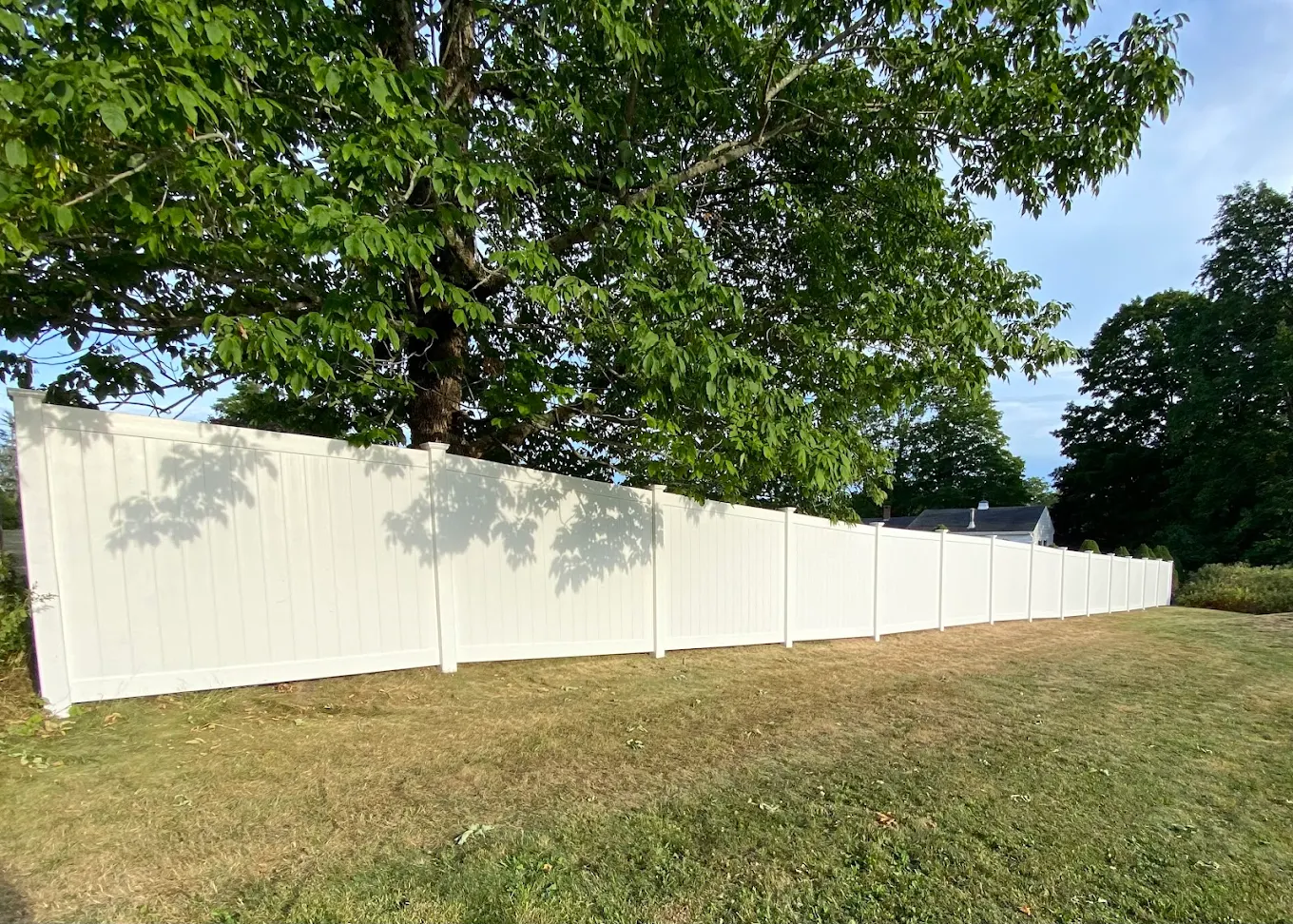
Vinyl fencing is another popular choice among homeowners. Known for its durability, vinyl requires minimal maintenance and is resistant to weathering, making it an ideal option for those living in harsh climates. The sleek finish of vinyl fencing complements modern architectural styles, and it is available in various colors and styles.
On the downside, vinyl fences can be more expensive than wood initially. Additionally, while they're durable, they can become brittle over time if exposed to extreme temperatures, leading to potential cracking.
For those prioritizing security and longevity, metal fences are a worthy consideration. Typically made from aluminum, steel, or wrought iron, metal fences offer robust protection and a sleek, contemporary appearance. They require minimal maintenance and are resistant to pests and decay, promising a long lifespan.
One disadvantage of metal fencing is its limited privacy. While effective for security, it cannot fully block views unless combined with other materials or design elements. Additionally, costs can be higher, especially for high-quality options like wrought iron.
Chain-link fencing is another practical choice, especially for large properties. This material is both affordable and durable, making it a favorite for fencing large areas in a budget-friendly manner. Chain-link fences require almost no maintenance and are excellent for defining property lines or enclosing pets.
However, they lack aesthetic appeal and provide minimal privacy unless coated or used in conjunction with privacy slats or growth of plant material.
When selecting a fencing material, consider key factors such as budget, climate, maintenance requirements, and the primary purpose of your fence. Whether you seek a decorative boundary or enhanced security and privacy, there’s a material to suit every need.
In conclusion, the best fencing choice for your property depends on your specific needs and preferences. At All Around Fence Company, we strive to guide you through the selection process by offering our expertise and high-quality materials. By understanding the pros and cons of each option, you can make a decision that balances function, aesthetic appeal, and cost-effectiveness, ensuring satisfaction for years to come.
/filters:no_upscale()/filters:format(webp)/media/c380bd79-5b8d-44e3-ad67-cb06f9b64cef.webp)